


Last updated on January 7th, 2026 at 08:54 pm
Visiting Brussels for the first time can feel a little confusing. Is it a quick stop or a destination in its own right? Is it all about EU buildings and politics, or is there more hiding beneath the surface? The short answer: there’s a lot more than you might expect.
Brussels is a compact, walkable capital where grand historic squares, quirky landmarks, world-class museums, and cozy cafés all sit surprisingly close together. It’s a city that doesn’t always impress at first glance—but once you know where to go, it quickly wins you over with its charm, food, and easygoing atmosphere.
This guide to Brussels for first-time visitors is designed to help you make sense of the city from the moment you arrive. You’ll find the must-see sights, practical tips, and simple suggestions for exploring Brussels on foot—without trying to cram too much into your schedule. Whether you’re here for one day, a weekend, or a bit longer, this guide will help you focus on what’s truly worth your time.
So if Brussels is new to you, consider this your starting point.
My first day there was all about learning my way around the city, initially by bus and then on foot. And because the bus tickets seemed expensive to me (2,5 euro for a ride if you buy the ticket on the bus and 2,10 euro if you buy it from the ticket vending machines), I adopted the idea of walking very quickly. And since I’m talking about walking, I would like to make a nice reminder to myself to pack warm clothes next time I come to Belgium. It’s pretty cold, cloudy, and windy even in the middle of the day. That’s why it was a shock for me to see that Brussels’s parks have lounge chairs instead of regular benches. What are those for? Does anybody expect to get a tan in the occasional 5 minutes of sun that shows up every day? Just kidding, I’m sure that in the summer the sun is out of the clouds more often and maybe for 10-15 whole minutes!
Disclaimer: This article may contain affiliate links, which means I may earn a small commission if you make a booking or purchase through these links — at no additional cost to you. Thank you for supporting my blog!
General Information About Brussels
Brussels is the capital city of Belgium, located right in the heart of Western Europe. Thanks to its central position, it’s an easy stop on many European itineraries—nestled between France, the Netherlands, Germany, and Luxembourg. It’s also widely known as the de facto capital of the European Union, hosting major EU institutions and giving the city a distinctly international feel.
Getting to Brussels is refreshingly simple. The city is extremely well connected by train, plane, and road:
- By train: High-speed trains like Eurostar, Thalys, and ICE connect Brussels directly to cities such as Paris, London, Amsterdam, and Cologne.
- By plane: Brussels Airport (Zaventem) is the main international airport, located about 20 minutes from the city center by train.
- By car or bus: Long-distance buses and highways make Brussels easily accessible from neighboring countries.
Once you arrive, you’ll find that the city is very walkable, especially the historic center. Public transport—trams, buses, and metro—is reliable and easy to use if you need it.
Belgium has three official languages: Dutch, French, and German. In Brussels specifically, French and Dutch are the main languages you’ll see on signs and hear in daily life.
Check this article for tips on how to overcome a language barrier.
The good news? You can absolutely get by with English. Most people working in tourism, restaurants, hotels, and shops speak excellent English, thanks in part to Brussels’ international population and EU presence.
If you’re looking for a tool to learn a little bit of Dutch, French, German, or another foreign language, check this article where I reviewed the best language-learning apps.
Brussels is a city of contrasts: historic squares and Gothic churches sit next to modern office buildings, while quiet residential streets are just minutes away from bustling tourist areas. It’s compact, culturally rich, and surprisingly relaxed, making it ideal for short visits as well as longer stays.
In short, Brussels is easy to reach, easy to navigate, and easy to enjoy—even if it doesn’t always shout about it.
Ok, now, let’s get back to serious business: the sights that are a MUST SEE in Brussels. Lace up your walking shoes, and let’s explore what to do in Brussels—one charming, unexpected corner at a time.
When to visit Brussels
Brussels is a year-round destination, but the best time to visit depends on what kind of experience you’re looking for—sunny walks, fewer crowds, festive markets, or museum hopping.
Spring (April–June): One of the Best Times to Visit
Spring is often considered the ideal season to visit Brussels. The weather starts to warm up, parks and gardens come to life, and the city feels more relaxed after winter. Temperatures are generally mild, making it perfect for walking around the historic center and enjoying outdoor cafés without the summer crowds.
Summer (July–August): Lively but Busy
Summer brings longer days, festivals, and open-air events. Brussels can be lively and fun during this time, especially in July. August is a bit quieter, as many locals go on holiday, but tourist areas remain active. While it’s not usually extremely hot, occasional heatwaves can happen—so pack light layers and comfortable walking shoes.
Autumn (September–October): Mild Weather and Fewer Tourists
Early autumn is another excellent time to visit. The weather is still pleasant, crowds begin to thin out, and the city takes on a cozy atmosphere. This is a great season for museum visits, food-focused travel, and relaxed sightseeing.
Winter (November–March): Cold, but Charming
Winter in Brussels is cold, often cloudy, and sometimes rainy—but it has its own charm. December is especially popular thanks to Christmas markets, festive lights, and seasonal treats like hot chocolate and waffles. If you don’t mind bundling up and spending more time indoors, winter can be a quieter and more affordable time to visit.
Best Time for First-Time Visitors
For most first-time visitors, late spring (May–June) or early autumn (September) offers the best balance of good weather, manageable crowds, and an enjoyable pace for exploring the city on foot.
Safety and Practical Tips
Brussels is generally a safe city for visitors, especially in central areas and popular tourist neighborhoods. Like any major European capital, it’s best explored with a bit of common sense and basic awareness.
Personal Safety
Violent crime is rare, but petty theft—such as pickpocketing—can occur in busy areas like public transport, train stations, and crowded attractions. Keep an eye on your belongings, use zipped bags, and avoid keeping valuables in easily accessible pockets.
At night, central areas are usually lively and well-lit. However, it’s best to avoid quiet or poorly lit streets if you’re unfamiliar with the area, especially late in the evening.
Public Transport & Walking
Brussels is very walkable, particularly the historic center. Public transport is reliable, but stations can feel a bit chaotic during peak hours. Always validate your ticket before boarding, and keep your belongings close on trams and metro lines.
Taxis and ride-sharing services are widely available, though walking is often faster for short distances.
Language & Communication
You’ll see signs in French and Dutch, but don’t worry—English is widely spoken, especially in hotels, restaurants, museums, and shops. Brussels is an international city, and visitors rarely struggle with communication.
Money & Payments
Belgium uses the euro (€). Credit and debit cards are widely accepted, but it’s still a good idea to carry a small amount of cash for markets, small cafés, or public toilets. Some places may not accept cash at all, while others may prefer it—so having both options is useful.
Weather & What to Pack
Brussels weather can be unpredictable. Rain is common year-round, so a light rain jacket or umbrella is a smart addition to your bag. Comfortable walking shoes are essential, as many streets are cobbled and sightseeing often involves a lot of walking.
General Tips for First-Time Visitors
- Always check opening hours—many museums close on Mondays
- Restaurants often close between lunch and dinner
- Tipping is not mandatory; service is usually included
- Public toilets are limited and often paid
With a bit of preparation and awareness, Brussels is an easy and enjoyable city to navigate—even for first-time visitors. Stay alert, walk confidently, and you’ll be just fine.
Transportation Options In and Around Brussels
Getting around Brussels is straightforward, whether you prefer walking, public transport, or a mix of both. Thanks to its compact layout and excellent connections, you won’t need a car to explore the city.
Getting to Brussels
By train: Brussels is one of Europe’s major rail hubs. High-speed trains like Eurostar, Thalys, and ICE connect the city with Paris, London, Amsterdam, and Cologne. The main stations you’ll encounter are Brussels-Central, Brussels-Midi, and Brussels-North.
By plane: Brussels Airport (Zaventem) is about 20 minutes from the city center by train. There is also Charleroi Airport, mainly used by low-cost airlines, located further south with bus connections to Brussels.
Getting Around the City
On foot: The historic center is highly walkable, and many of the main sights are close together. Walking is often the best way to discover Brussels’ hidden streets, parks, and local cafés.
Public transport: Brussels has an efficient network of metro, trams, and buses, operated by STIB/MIVB. Tickets can be bought at stations, vending machines, or via contactless payment on some lines.
Day passes: If you plan to use public transport frequently, a day pass can be good value and easy to use.
Trains for Day Trips
Belgium’s rail system is excellent and affordable, making Brussels a great base for day trips. Popular destinations like Bruges, Ghent, Antwerp, and Leuven are all reachable within an hour by train.
Taxis, Ride-Sharing & Biking
Taxis and ride-sharing services are widely available, though they can be more expensive than public transport.
Biking is becoming more popular, with bike lanes and rental options available. However, parts of the city are hilly, and traffic can be busy in central areas.
Do You Need a Car?
For most visitors, the answer is no. Parking is limited and expensive, and public transport or walking is usually faster and less stressful. A car is only useful if you plan to explore rural areas outside the city.
Top Things to Do in Brussels
St. Michel and St. Gudula
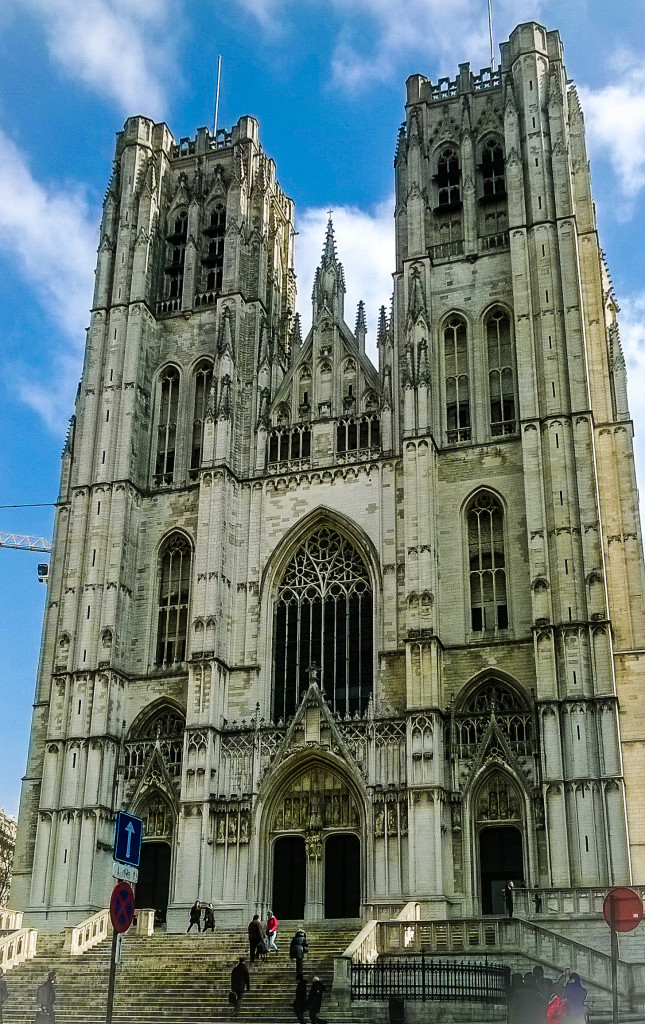
I’ll start with the Cathedral of St. Michel and St. Gudula. The fans of Gothic style will have a deja vu, as the cathedral is very similar to Notre-Dame de Paris. Please take your time to visit the interiors of the cathedral, it’s free, and I guarantee you that the gigantic stained glass windows will leave you in awe.

The Grand Place
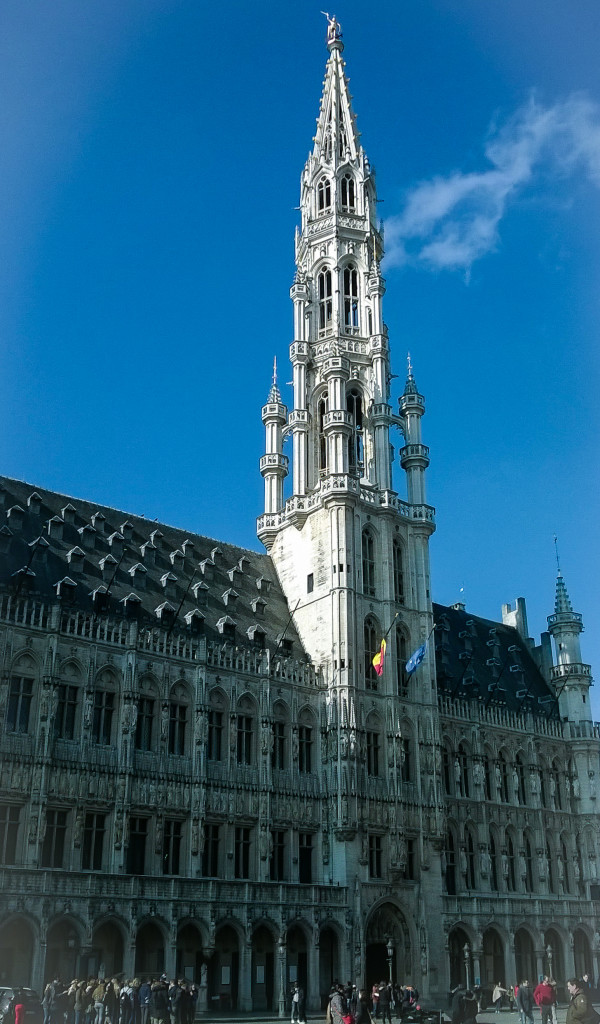
Next stop is the Grand Place, where you will find the city’s Town Hall. That’s an impressive building for its Gothic architecture and for its high tower that measures 96 meters. The Grand Place has a solid historic background, some stories being tragic and funny at the same time.
For example, in 1695, the French army attacked Brussels, with the intention of making a diversion. The bombardment aimed mostly at the Town Hall, but ironically, the building remained the only one standing, the others around being torn down almost completely.

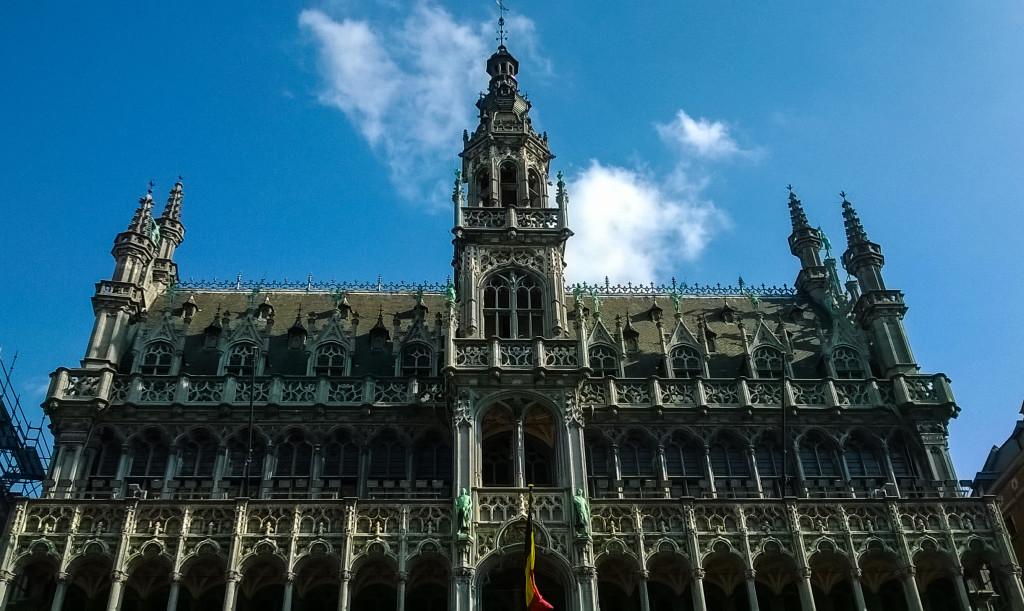
Across the Town Hall, there is the King’s House, which is currently hosting the Museum of the City of Brussels. The buildings around are guildhalls, and they are also pretty impressive, so take your time to admire their beautiful facades.

The Manneken Pis
Not far from you will find the landmark of Brussels, the Manneken Pis. There are lots of legends associated with the small statue, some you might already know, but what I bet you didn’t know is that on that very spot, there once was a urine market. I know what you’re thinking: Why on earth would somebody buy urine? Well, the answer is simple. Back in the days, urine was used for leather tanning (because it contains ammonia), and this place was the place to buy it or sell it. Don’t you just love it when you learn new and exciting things?


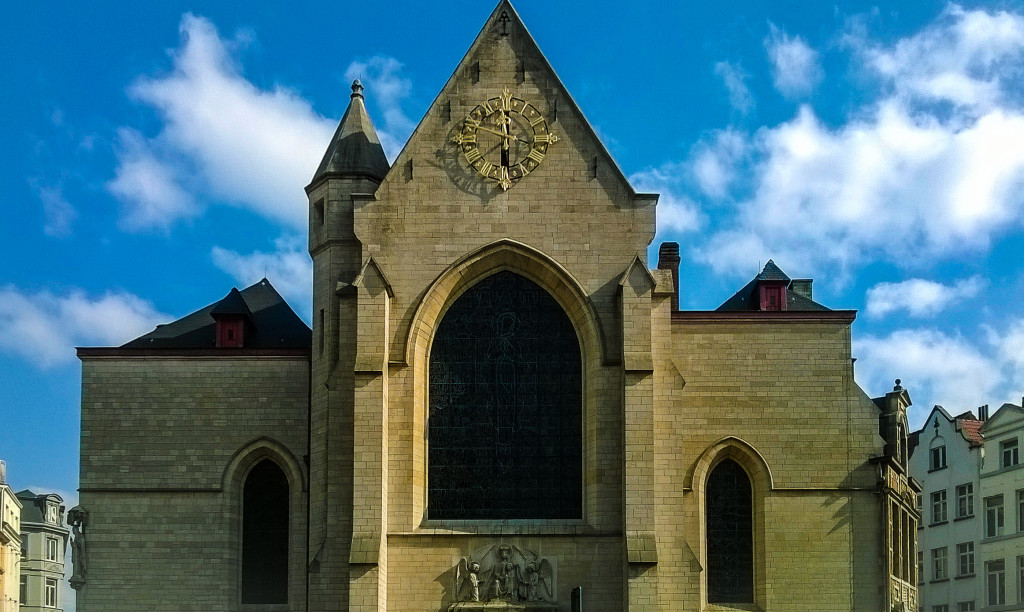
St. Nicholas church
Ok, time to move on. Be sure to also check out St. Nicholas church, which is the oldest church in Brussels. It’s rather small and quiet, but that’s exactly what makes it a perfect getaway from the outside buzz.

Beer. Waffles. Chocolate
Now it’s time for a treat! Wander the streets, buy some souvenirs, pick a pub and order local beer, eat some waffles from the small shops around and of course try different types of Belgian chocolate. If you are planning to start a diet, this is definitely not the time.


Brussels Park & The Belgian Parliament
After so much shopping, I rested for a while in Brussels Park, which apparently is the largest park in the center of Brussels. If you ask me, it’s very small. So small that you can see its end from the entrance. Around the park, you can see the Royal Palace of Brussels and the Belgian Parliament.


Just 2 minutes away, if you dare to make a few turns left and right, you will find this beautiful panorama, so don’t be afraid to explore the surroundings:

The new part of Brussels
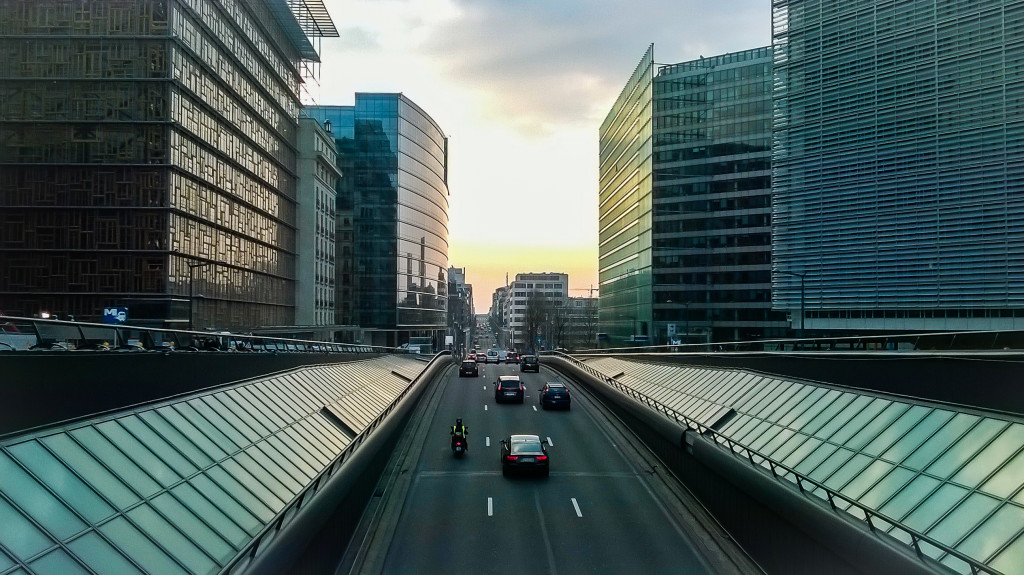
It’s time now to go in the new part of the city, to see the European institutions. After all, Brussels is the capital of the European Union, and we might find something interesting there. Here’s a sneak peek.


Also, I can’t hold back from sharing with you this piece of urban landscape:
Parc du Cinquantenaire
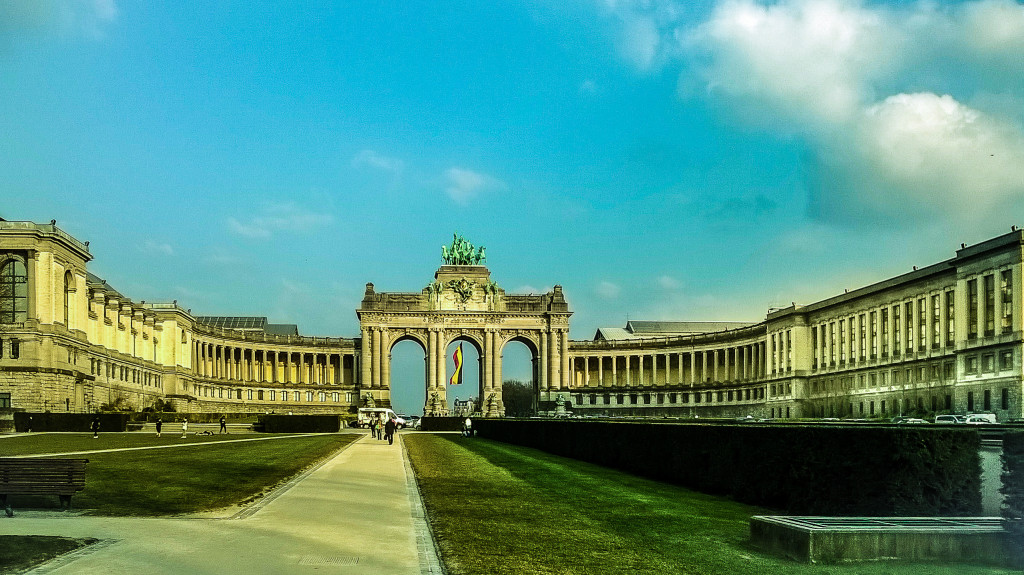
Moving on, you’re going to see in the distance a U-shaped arcade. You will find there a huge park, called Parc du Cinquantenaire, with a string of buildings and a triumphal arch in the middle.
That’s only a small part of what I’ve experienced of the city, and still, after three days I left wanting more. Brussels has at the same time the spirit of an old city and of a new city and definitely has something to offer to any tourist who’s willing to walk its streets.